General Discussion
Related: Editorials & Other Articles, Issue Forums, Alliance Forums, Region Forums
Scientist suggests environmental friendly idea to cure Reflecting Pool algae
“Chemical and mechanical solutions are only temporary fixes. When the Reflecting Pool is drained and filled again, there’s a good chance that algae will bloom again,” Eric Palkovacs, a professor of ecology and evolutionary biology at the University of California, Santa Cruz, wrote in The Conversation.
The pool’s size and shallowness means the water heats rapidly in direct sunlight, ideal conditions for algae growth — and a problem that may be compounded by newly applied “American flag blue” paint.'
Palkovacs, who studies inland bodies of water, wrote that introducing water fleas —a species of zooplankton known as Daphnia — into the roughly 2,000 foot pool, “can control algae by consuming it before it becomes a pea soup nuisance.”
Beyond their appetite for unsightly green growth, water fleas possess a notable ability to adapt to harsh conditions, making them particularly well suited for algae control in urban ponds contending with heat, pollution, and other stressors, Palkovacs added.
https://www.independent.co.uk/news/world/americas/us-politics/reflecting-pool-algae-scientist-fleas-b3008347.html
 = new reply since forum marked as read
Highlight:
NoneDon't highlight anything
5 newestHighlight 5 most recent replies
= new reply since forum marked as read
Highlight:
NoneDon't highlight anything
5 newestHighlight 5 most recent replies

Goonch
(6,056 posts)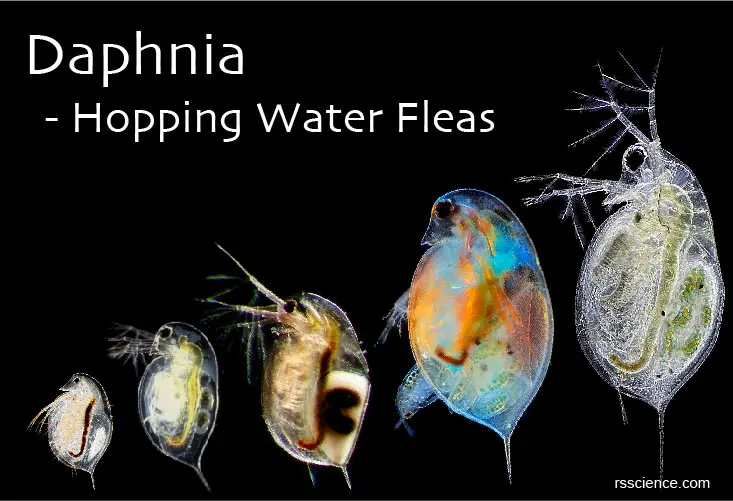

Autumn
(49,054 posts)
Filtration systems. The previous repair cost something like $34 million and took a couple of years. It did a lot more, used river water instead of city water. But the algae remained the same. (Oh, city water contains phosphate. What does river water contain--and did they fix the sewage runoff upstream of the capital completely yet?)
The nano-bubbler business may be the first application to something like the reflecting pool but it has been used for years in things like ponds. If you've ever been splashing around in a pond, whether in Maryland (or Jersey or New York state) or in Oregon, 'clear, blue water' like in lagoons in Cozumel or beaches on Grand Cayman are not what comes to mind.
Reflecting pool is a great concept, but an engineering disaster--built on landfill, materials structurally not up to the job, an impossible water purification situation. I mean, even if you start off with pristine, pure and uncontaminated water, you have ducks and other birds crapping (and sometimes dying) in it because that's what ducks do. Dust and other air-borne particulates settle into the water. Tourists will throw trash in, and while the ducks might like those tortilla chips and hamburger rolls, so do other decomposers that will gladly render nutrients water soluble and useable by producers like algae.

orthoclad
(5,299 posts)will have uncontrolled growth of "primary production": photosynthetic critters, i.e., algae. Once nutrients are depleted, algae will die, rot, and stink, then return somewhat when decomposition releases the bound nutrients (mostly nitrogen and phosphorus) into solution. Some nitrogen will gas out.
The reflecting pool was filled with a rich soup. Some algal cells made it past whatever filters they used, and could also be introduced by birds. What is missing from this soup is the next step in the food web: grazers, the animals which consume the trapped energy and molecules in the algae.
The pool is like a meadow with no cows or sheep to graze it, growing long, long grasses.
The scientist in the post is correct in saying that the pool needs grazing; he suggests Daphnia. These are tiny free-swimming crustaceans, familiar to aquarium keepers as fish food. Daphnia, a filter feeder, consumes free-floating unicellular algae; I don't think it would do much to the mats and strands in DC.
Other grazers I have suggested in earlier posts: chironomid midge larvae, snails, fish. There's a wide choice of critters that graze on filamentous algae. Eventually, duck feet will carry some in.
This is an ecosystem with a food web, not a swimming pool.
Maybe Freedom 250 could sponsor an algae-grazers rodeo. Yeehaw! Git along li'l Daphne!