If one monitors grids - most of them anyway - and I monitor a number of them, power demand peaks in the early evening, after the sun goes down.
I've been downloading them for years, and they appear in some of my posts here, generally from CAISO, the California grid, the solar nirvana that continues to rely on methane mines for reliable power:
Here are few I happen to have handy from earlier posts:
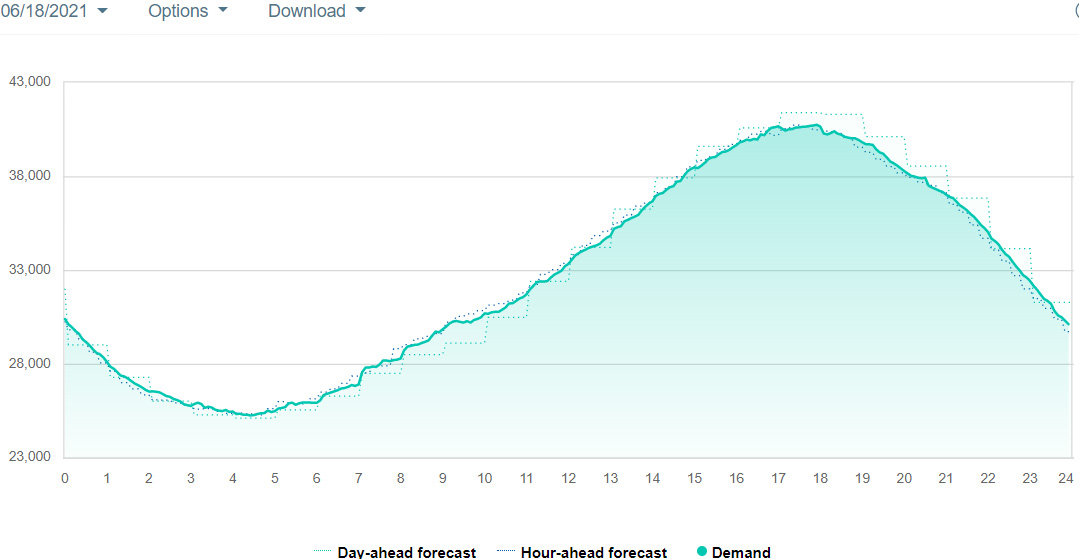
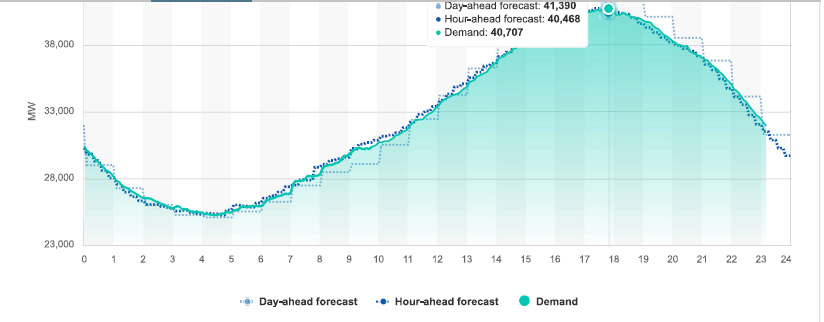

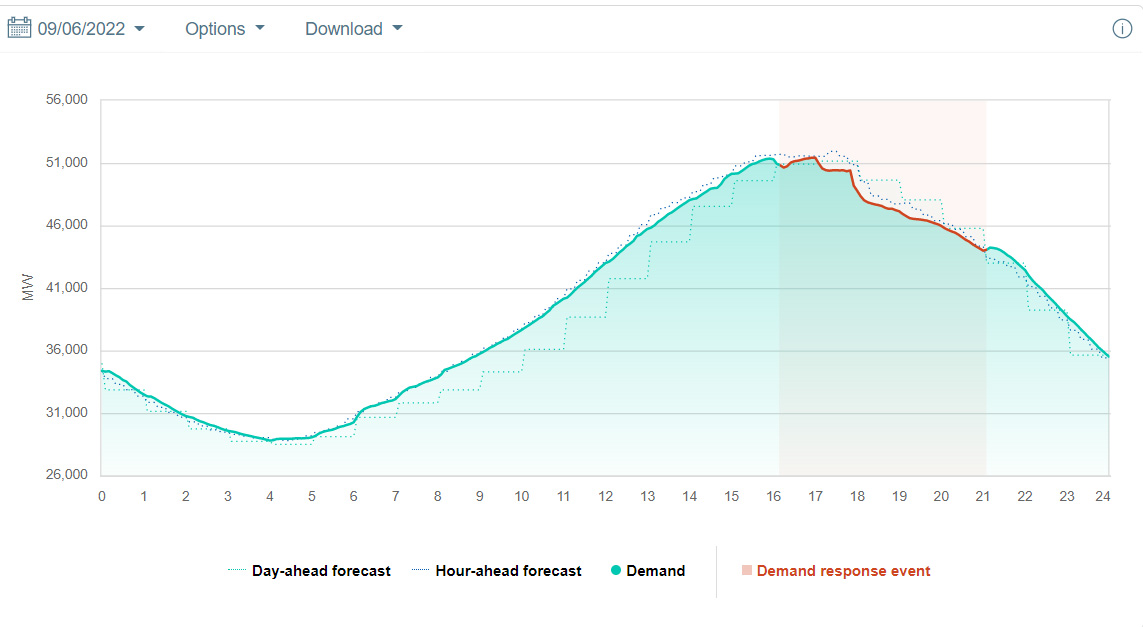
One can access these graphics at will from the CAISO website, where one can also see when solar output in solar nirvana peaks, and the offset with California demand peaks.
The CAISO site is here:
Outlook CAISO
I oppose the profligate development/destruction of land and sea and freshwater wilderness to construct energy generation industrial parks, which is why I oppose the popular but unsustainable solar industry.
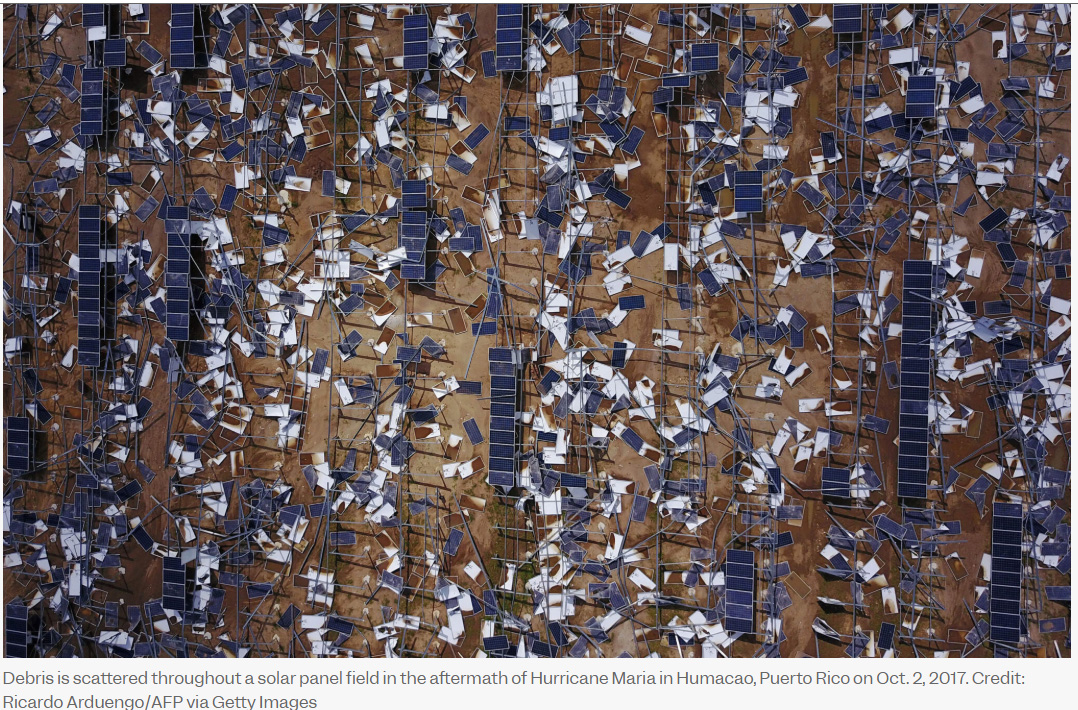
Floating solar junk is probably worst of all, since the failure of the solar and wind affectation to address the collapse of the planetary atmosphere has destabilized the weather, and extreme weather cuts through solar industrial parks readily.
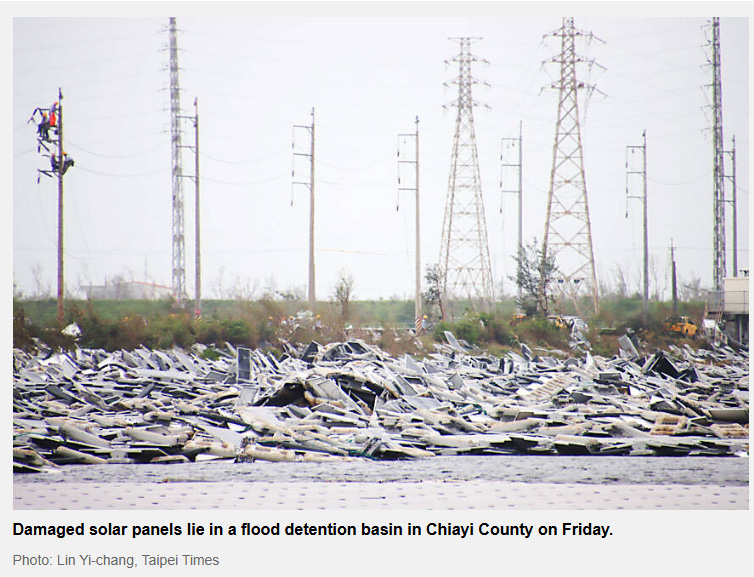
Here's are some examples of destruction of solar industrial parks by extreme weather from one of my earlier posts:
From Inside Climate News:
Virgin Group Company BMR Energy Announces Plans to Rebuild St. Thomas Solar Farm
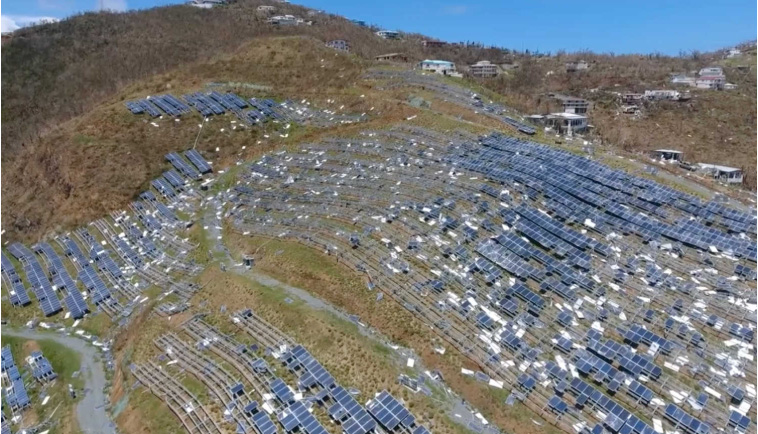
Renew Economy:
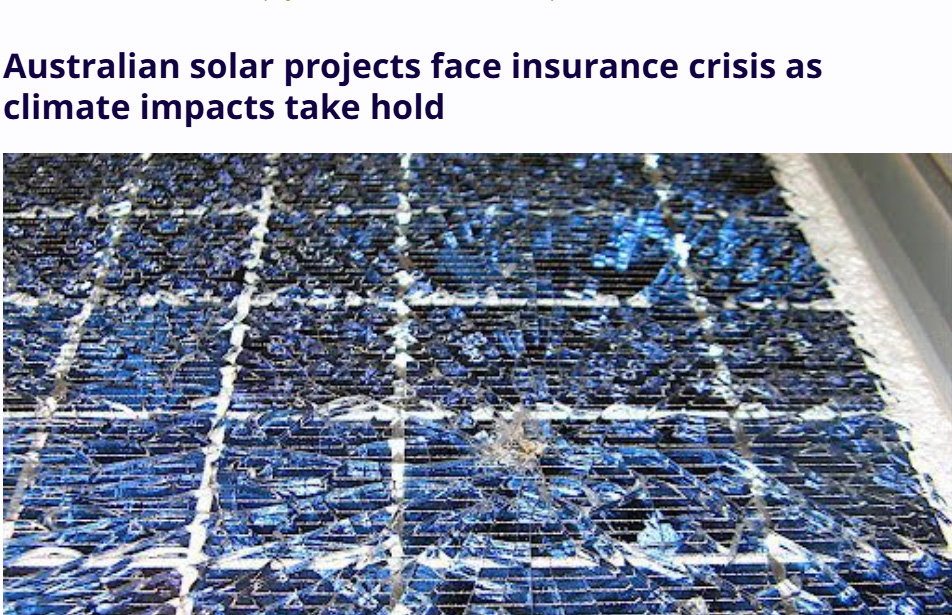
Solar groups deny damage, pollution claims after Danas
(There's reference to denial again.)
Why the solar revolution is in grave danger—and how it can be saved
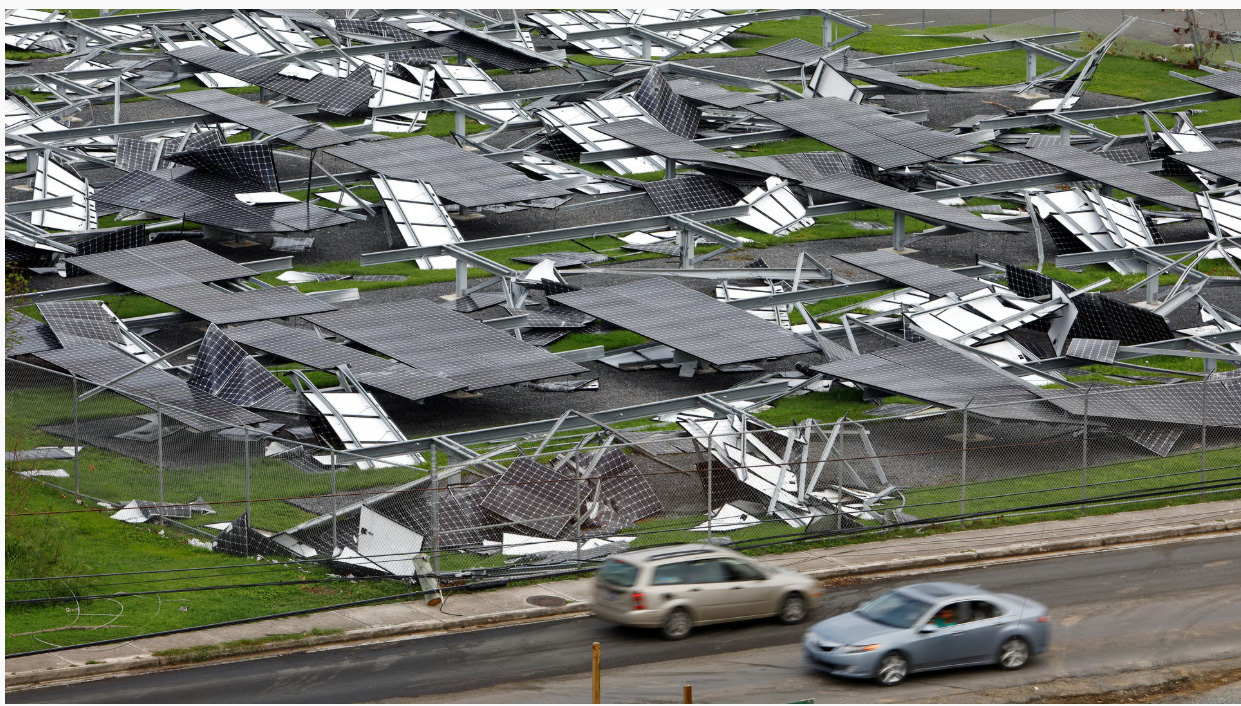
Now we want to do the same for our bodies of water, far less stable than land based cases?
The solar industry is not "green;" it is not sustainable; and it represents no alternative to the use of dangerous fossil fuels, since it depends on the availability of fossil fuels to address its intrinsic (and frankly dangerous, given existing heat extremes) unreliability.

 = new reply since forum marked as read